

 SUPPORTED NETWORK · FETCH.AI
FETCH.AI STAKING WITH ATLAS
Stake FET noncustodially with Atlas Staking and help secure the ASI Network, the blockchain foundation for autonomous AI agents and services across the Artificial Superintelligence Alliance ecosystem. Keep control of your wallet while supporting agent discovery, coordination, payments, and governance.
FET, right now
Live price, one line, no noise. Prices and rewards are never guaranteed. This is context for a decision, not a quote.
Price data supplied by CoinGecko. Prices and rewards aren’t guaranteed.
YOUR FETCH.AI VALIDATOR
Independent validator operations on Fetch Hub. You keep control of your wallet and authorize your own FET staking transactions.
Atlas Staking
One Atlas validator. Delegate FET directly from your wallet.
OUR FETCH.AI NUMBERS
Atlas operates one validator on Fetch Hub, the Cosmos SDK network securing native FET staking. The live card reads rank, bonded FET, and delegator count from current public data so you can verify our status before delegating.
1
Atlas validator on Fetch Hub
FETCHHUB-4
Current Fetch Hub mainnet chain ID
Loading
Current validator commission on FET staking rewards
Loading
Current network unbonding period
YOUR KEYS
Noncustodial delegation with transactions approved by you
KEEP UP WITH COSMOS AIRDROPS
See current claim windows, eligibility details, snapshot information, and official claim links. Subscribe for updates when the list changes.
GET AIRDROP ALERTS
Receive Atlas updates about Cosmos ecosystem airdrops and official claim information.
FOLLOW THE NETWORK AND THE ALLIANCE
Explore primary source updates on Fetch Hub, the Artificial Superintelligence Alliance, and the infrastructure being developed for decentralized AI.
 ASI:CHAIN
Inside the ASI:Chain Ecosystem
See how the Alliance describes its developing decentralized AI network and ecosystem architecture.
EXPLORE ASI:CHAIN ↗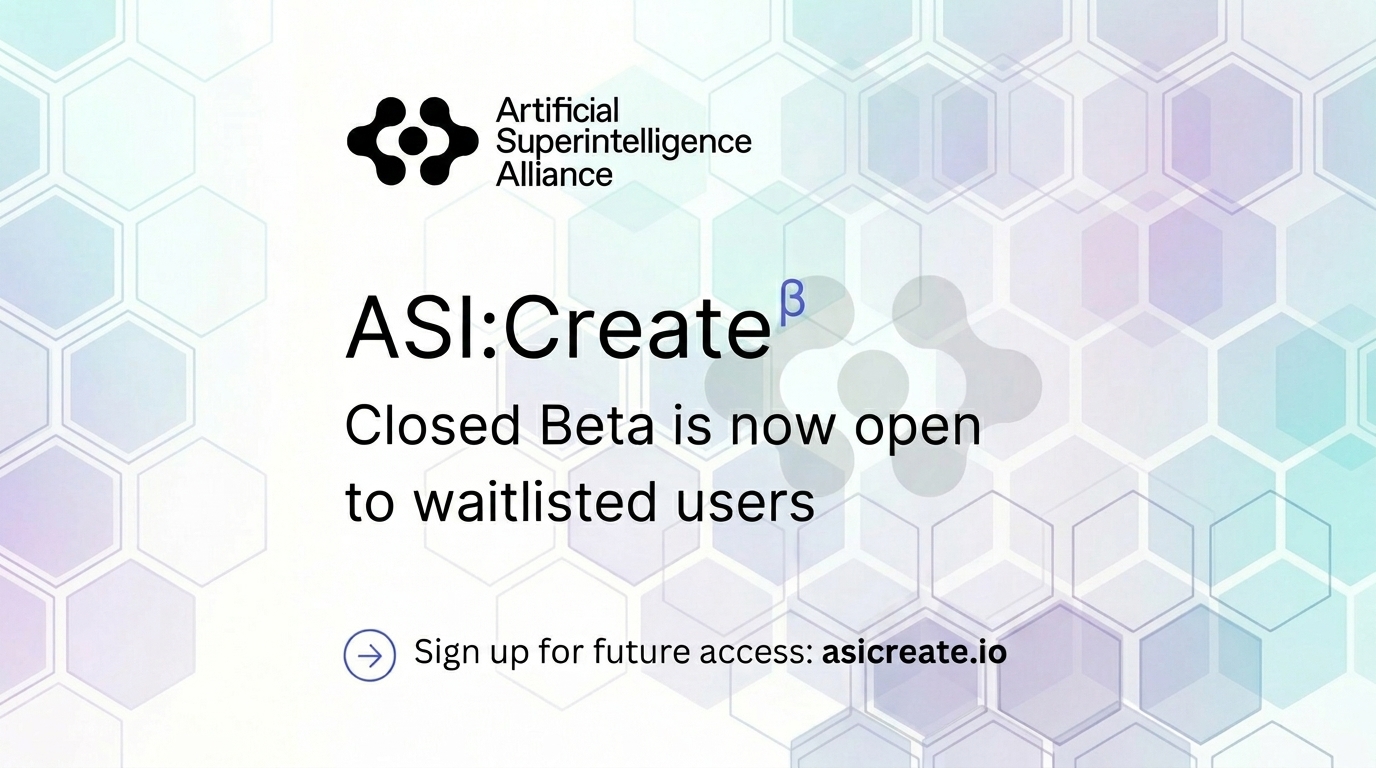 ASI:CREATE
ASI:Create Enters Closed Beta
Read the Alliance update on its agentic platform for building and deploying AI applications.
READ THE UPDATE ↗WHY STAKE FET DIRECTLY?
Support Fetch Hub security and validator diversity behind the Artificial Superintelligence Alliance ecosystem.
Your FET stays under your control
Atlas never takes custody of your wallet. You approve every delegation, reward, redelegation, and undelegation transaction.
Choose an independent validator
Delegating beyond the largest operators helps distribute bonded stake across the Fetch Hub validator set.
Verify current public data
The Atlas validator card checks network identity and data freshness before showing live figures.
FETCH STAKING GUIDES
Choose an Atlas FET staking tutorial for the wallet you use, verify the validator, and delegate while keeping control of your tokens.
QUESTIONS PEOPLE ACTUALLY ASK
What is the relationship between Fetch.ai, the ASI Alliance, and FET?
Fetch.ai is a founding member of the Artificial Superintelligence Alliance alongside SingularityNET and CUDOS. The Alliance develops decentralized AI products and infrastructure. On the live Fetch Hub network, FET remains the native staking and governance token.
Is FET the ASI token?
The Artificial Superintelligence Alliance describes FET as the ASI token. Fetch Hub’s onchain staking asset and ticker remain FET. ASI:Chain is a separate network under development, so always verify the network and token before transferring or staking.
How do I stake FET with the Atlas validator?
Open Stake FET with Atlas, connect a supported wallet, verify Atlas Staking and the validator address fetchvaloper1waqt5drcqm7dsfdudcjn6ece9dywyrlvk9q6pm, choose an amount, and approve the delegation. Leave some liquid FET for network fees.
Which wallet can I use to stake FET?
The official ASI Wallet supports Fetch Hub staking, governance, and IBC transfers. Atlas’s staking app may also offer other compatible wallet connections. Confirm that your wallet is on Fetch Hub before signing, and never share your recovery phrase.
Who controls my FET after I delegate?
You do. Delegation bonds FET to a validator without transferring ownership to Atlas. Your wallet remains the authority for claiming rewards, redelegating, and beginning undelegation.
How do FET staking rewards and validator commission work?
Fetch Hub distributes staking rewards under its onchain rules. The validator deducts its published commission from rewards attributable to delegators, not from the full delegated balance. Reward rates and commission can change, so check current chain data before acting.
How long does it take to unstake FET?
The current unbonding period is read from Fetch Hub’s live staking parameters and displayed above. FET in unbonding can’t be transferred and generally doesn’t earn staking rewards. Governance can change protocol parameters, so verify the live value before undelegating.
Can I move staked FET to another validator without unbonding?
Fetch Hub supports redelegation, which can move bonded FET directly between validators without completing a standard unbonding first. Cosmos SDK redelegation restrictions and cooldowns can apply, so review the wallet’s transaction details before confirming.
Do I need to bridge ERC20 FET before staking?
Native staking occurs on Fetch Hub. If your FET is on Ethereum or another network, it may need to be moved through an official, supported route before it can be delegated. Verify the current ASI Alliance bridge guidance and destination chain. Never send tokens to an incompatible address.
What should I consider when choosing a Fetch.ai validator?
Check that the validator is bonded and not jailed, then compare commission, operating history, governance participation, and contribution to decentralization. The live Atlas card above retrieves rank, bonded FET, delegator count, commission, and unbonding data from current Fetch Hub endpoints.
What are the principal risks of staking FET?
FET can lose market value, reward rates can change, and bonded tokens remain illiquid while unbonding. Validator downtime or protocol violations may trigger penalties under network rules. Staking rewards are variable, not guaranteed, and don’t protect against token price losses.
One validator We’ll take it from there
The Atlas Fetch Hub validator runs on hardware we own in Amsterdam. You delegate from your own wallet and keep your keys.